

Florida Homes With Private Suites for Live-In Caregivers and Long-Term Staff
Quick answer: A true caregiver or staff suite is a residence within a residence — not a guest room. The features that make one work are a private exterior entrance, a full private bathroom, a kitchenette or full kitchen, genuine acoustic separation, practical proximity to the main household, and independent climate control. In Florida, the best inventory is found in estate enclaves around Naples, Palm Beach, Sarasota’s barrier islands, and Tampa Bay, often as detached casitas, attached suites, adapted pool houses, or above-garage apartments.
A growing segment of Florida buyers is looking for homes with private suites for live-in caregivers, nannies, and long-term staff. Here is what makes one work — and where to find them.
Three different buyers are searching for the same kind of home in Florida — and most of them don’t know about each other.
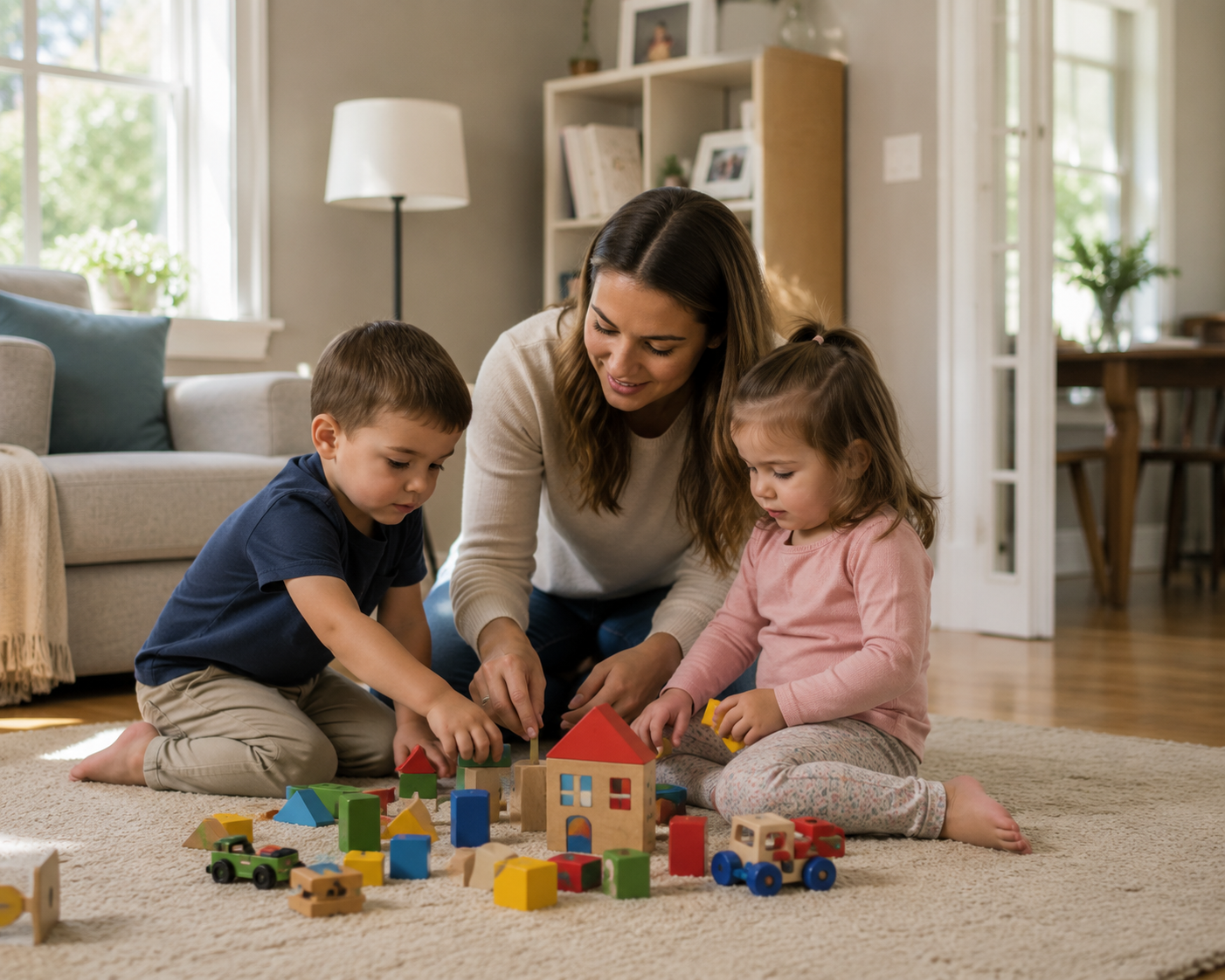
The first is a wealthy family employing live-in household staff: a long-term nanny, a household manager, a personal chef, or domestic staff who need proper residential housing rather than a converted bedroom. The second is an aging or pre-aging buyer — often in their fifties through seventies, frequently without children — planning ahead for a future caregiver who isn’t needed yet but will be. The third is a household already managing day caregivers, anticipating the transition to live-in care as needs progress.
All three buyer profiles converge on the same housing requirement: a private, dignified, separate-feeling suite within a larger home. Not a guest room. Not a converted bonus room. A real second residence — designed to support the household for the long term.
If you are exploring options now, you can browse Florida resale multigenerational homes → or look at new construction floorplans with private suites →.
A proper caregiver suite is not a guest room. It is a residence within a residence — designed for the people who genuinely live there.
Who is searching for these homes
The demand for properties with proper caregiver suites has accelerated quietly but significantly. Three distinct buyer journeys are converging on the same property type.
All three benefit from the same configurations. The difference is timing — but the housing requirements align almost perfectly.
What makes a suite genuinely work for live-in care
Not every property marketed as having an “in-law suite” or “guest house” actually works for live-in caregiver arrangements. These are the features that distinguish a true caregiver suite from a glorified bedroom.
A separate exterior entrance allows the caregiver or staff member to come and go without traversing the family’s living spaces.
Preserves the caregiver’s sense of having their own residence — directly affecting job satisfaction and retention.
A bathroom shared with the family does not work for a live-in arrangement. The suite needs its own full bathroom — not a half bath.
Anything less compromises the dignity of the arrangement on both sides.
For a caregiver to live independently, they need food preparation capability. A small kitchenette — sink, refrigerator, microwave, basic counter space — transforms a bedroom into a residence.
A full kitchen is ideal for detached configurations.
Walls between the suite and the main home should provide genuine sound isolation. Standard interior walls do not.
The family should not hear the caregiver. The caregiver should not hear the family.
For caregiving specifically, the suite should be close enough that the caregiver can respond quickly when needed — but far enough to maintain meaningful separation when off duty.
Adjacent to the primary suite is often ideal for caregiving. Further is fine for staff who don’t need night response.
A separate HVAC zone or mini-split system allows the suite occupant to set their own temperature. In Florida, this matters daily.
Small investment, substantial impact on practical livability.
Four configurations that work for caregiver suite arrangements
Each configuration suits different family priorities. Here is how they compare.
Detached casita or guest house
A separate structure on the same property — independent entrance, full bathroom, kitchen, and living area. Maximum privacy on both sides.
Most common in South Florida estate neighborhoods, Naples, and select acreage corridors.
Attached suite with private entrance
A dedicated wing with its own entrance, bathroom, sitting area, and ideally a kitchenette. Particularly effective when caregivers need to respond quickly to overnight needs.
Common in Florida new construction multigenerational floorplans.
Pool house adapted for residential use
Many Florida estates have substantial pool houses that can be configured for full residential use. Often delivers more space and stronger aesthetic alignment with the main home than a detached casita built from scratch.
Most common on larger estates with established outdoor amenities.
Garage apartment or above-garage suite
An apartment finished above a detached or attached garage, accessed by exterior staircase. Particularly effective for staff who appreciate full physical separation from the main residence.
Found in select communities across Tampa, Sarasota, and parts of South Florida.
Florida’s premier markets for caregiver suite properties
Florida’s wealthier enclaves have inventory of homes built for these arrangements — many with detached casitas, true private suites, or estate configurations that have served household staffing needs for decades.
Within each of these markets, properties that genuinely work for caregiver suite arrangements are a small fraction of total inventory. Identifying them requires familiarity with both the markets and the configurations.
Configurations that don’t actually work
Some properties marketed as having “in-law suites” or “guest quarters” do not deliver what live-in arrangements require. The most common false-positives:
A specialist agent identifies these issues during pre-contract evaluation rather than letting buyers discover them after closing.
The strategic case for buying before you need to
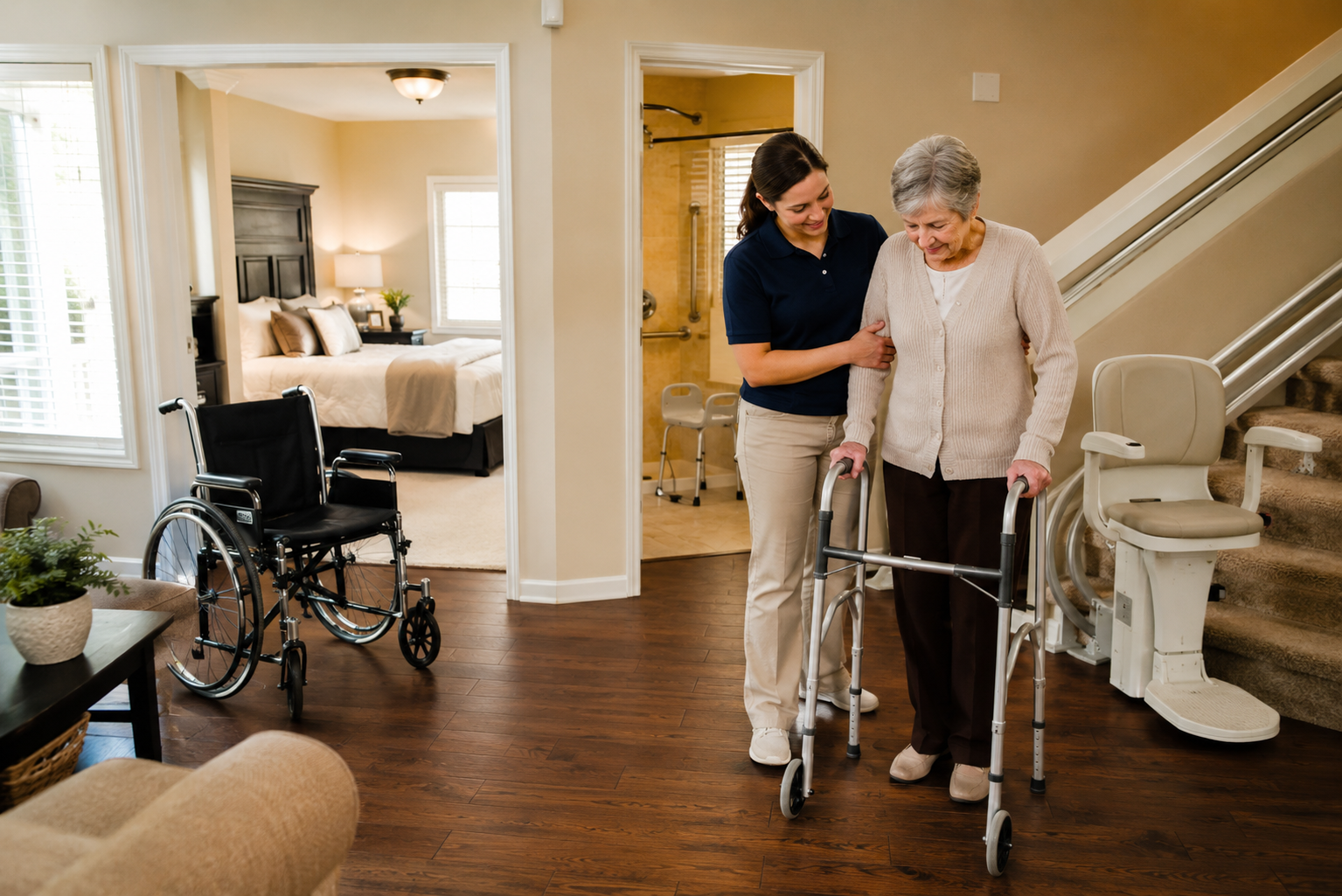
For buyers planning ahead for future caregiving needs, the strategic logic is straightforward: it is far easier to buy a home with the right configuration before you need it than to find one under the pressure of an active health situation.
Buying ahead of need allows time. Time to tour multiple properties. Time to evaluate configurations carefully. Time to negotiate without urgency. Time to make modifications during the comfortable years before they are required. Time to establish the home as your residence well in advance — so when caregiving becomes part of daily life, the housing is the one thing that is already settled.
The same logic applies to coordination with estate planning. Florida’s Lady Bird deed — the enhanced life estate deed — allows property owners to retain full control during their lifetime while ensuring smooth transfer at death without probate. For buyers thinking about long-term care arrangements, integrating the property purchase with the estate plan from the start prevents complications later.
Coordinated correctly, the property purchase, the caregiver suite, and the estate plan all work together — supporting independent living for as long as possible.
Cost framing and long-term value
Properties with proper caregiver suites typically command a premium over comparable single-residence homes — meaningful, but justifiable when the alternatives are considered.
For households currently employing live-in staff, the financial logic is different but related. The right property accommodates staff comfortably enough to support long tenure — reducing the substantial costs of staff turnover and re-training.
Caregiver suite property checklist
If you would like specialist eyes on a property you are considering — or guidance on which markets fit your situation — we can help.
A home that respects both households
A caregiver suite property is not a luxury — it is an investment in the practical reality of how households actually function. Whether you are accommodating long-term household staff, planning thoughtfully for aging in place, or already managing caregivers who will eventually move in, the right home preserves dignity for everyone living there.
The properties that genuinely work are not numerous, and they are not always obvious from photos. Identifying them requires knowing what to look for and where to look.
Two residences. One address. Designed for the people who actually live there.
If you are exploring this kind of property, MultiGen Living Group specializes exclusively in multi-generational and dual-household properties across Florida. We work with the discretion the market expects and the specialist knowledge the configurations require.
Common questions