

When a Duplex Is the Best Multigenerational Home Setup
Quick answer: A duplex is the best multigenerational home setup when both households want full independence rather than just privacy — two complete homes under one building, each with its own entrance, kitchen, and utility meters. It beats an in-law suite or an ADU when the family needs a clean financial split, has adults with active personal lives, requires two full kitchens, or is navigating pets and allergies. When a parent needs hands-on daily care, an in-law suite inside the main home is usually the safer choice.
Most families assume the choice is between an in-law suite and an ADU. But for households that are independent, social, and built around two real kitchens, a duplex can quietly be the smarter buy — and almost nobody brings it up.
When a family reaches out to us, the conversation almost always opens with an in-law suite or an ADU. Both are great options, and for a lot of households they’re the right one. What rarely comes up on its own is the duplex — and for a surprising number of families, it turns out to be the best fit of the three.
I’m Justin Murphy. My wife Nicki and I built MultiGen Living Group, the only brokerage in Florida that works exclusively with families buying and selling multigenerational homes. In the video below, I walk through the five times a duplex genuinely beats an in-law suite or an ADU. Below that, I’ve laid the same ideas out in writing — with a little extra detail in a few places — for anyone who’d rather read than watch.
A duplex isn’t about putting distance between generations. It’s about giving two independent households a clean way to share a home — and share the cost — without sharing a life.
What each of these actually is
Before we get into the five situations, it helps to be clear on what each option means, because people tend to use the terms loosely.
In-law suite. Built into the main house — a private wing under the same roof, usually with its own entrance but shared utilities.
ADU (accessory dwelling unit). Its own structure on the same lot: a casita, a backyard cottage, or an apartment over a detached garage.
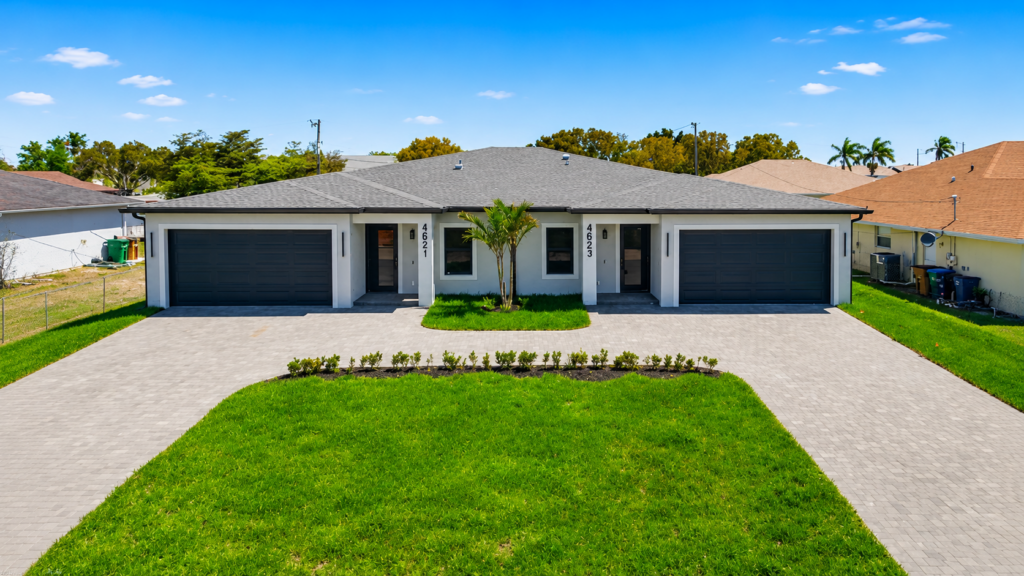
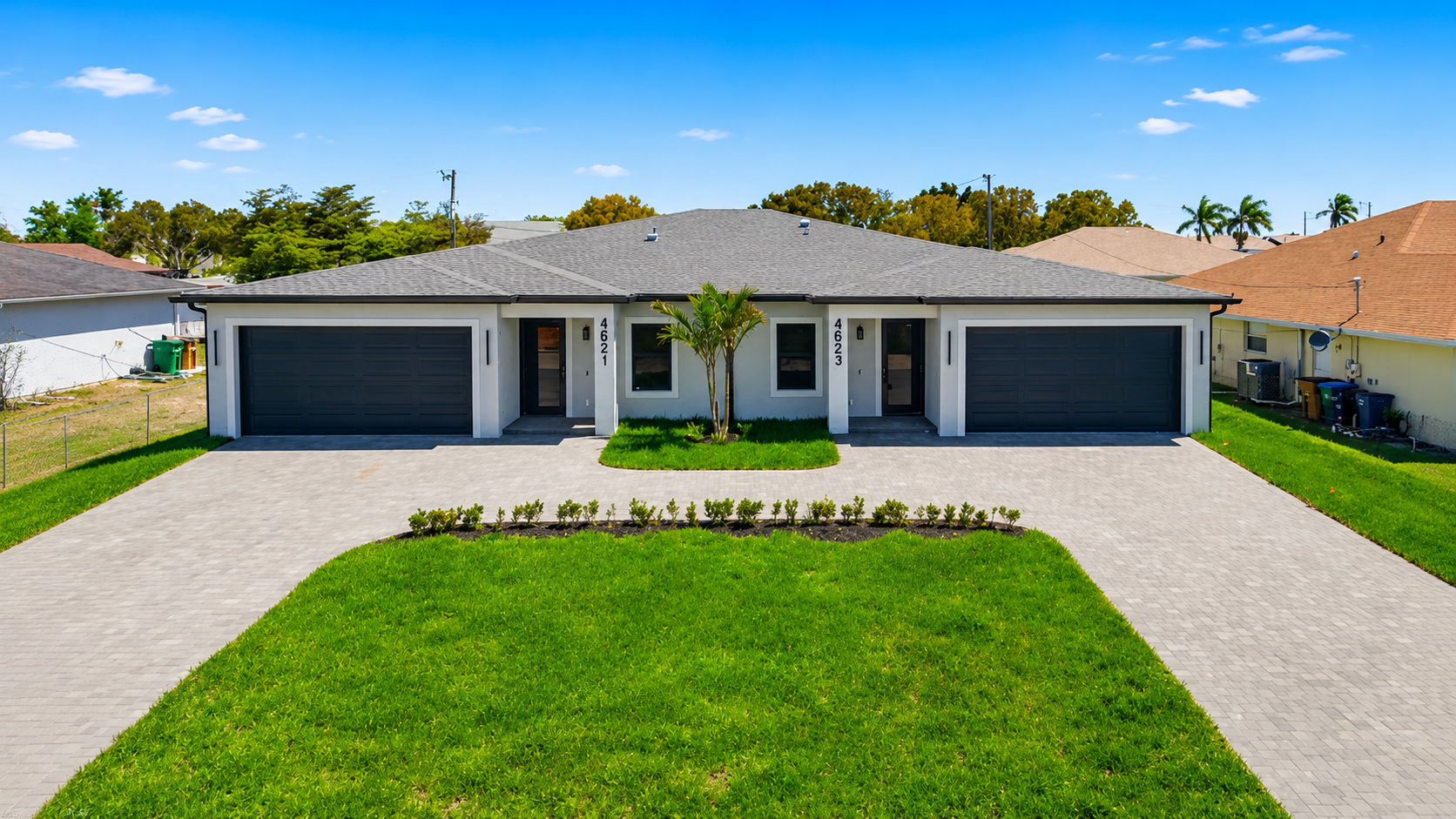
Duplex. A different animal from both — two complete, independent homes that share one building, each with its own address, its own meters, and its own everything.
Both households want full independence — not just privacy
There’s a real gap between giving someone privacy and giving them independence, and plenty of families don’t notice it until they’re living it. Privacy is a door that closes. Independence is a whole household that runs on its own terms — its own schedule, its own guests, its own routines, with no one to coordinate around. A duplex delivers that. Each side is a full, separate home, and the family can still pool the down payment and own the property together. If your relatives are active and self-sufficient and want to keep living that way, a duplex protects it in a way a shared-roof suite simply can’t.
The financial arrangement needs a clean line
Money is where a lot of multigenerational setups get tense, usually because the lines are fuzzy. A duplex draws those lines for you. Two units means two electric meters, two water meters, and — when the financing is structured for it — a clean split on the mortgage. Each household pays for what it uses and owns its share outright, so nobody is quietly keeping score over who ran the AC more last month. For families where the financial side is sensitive, that kind of clarity is worth more than people expect.
The family includes adults with active personal lives
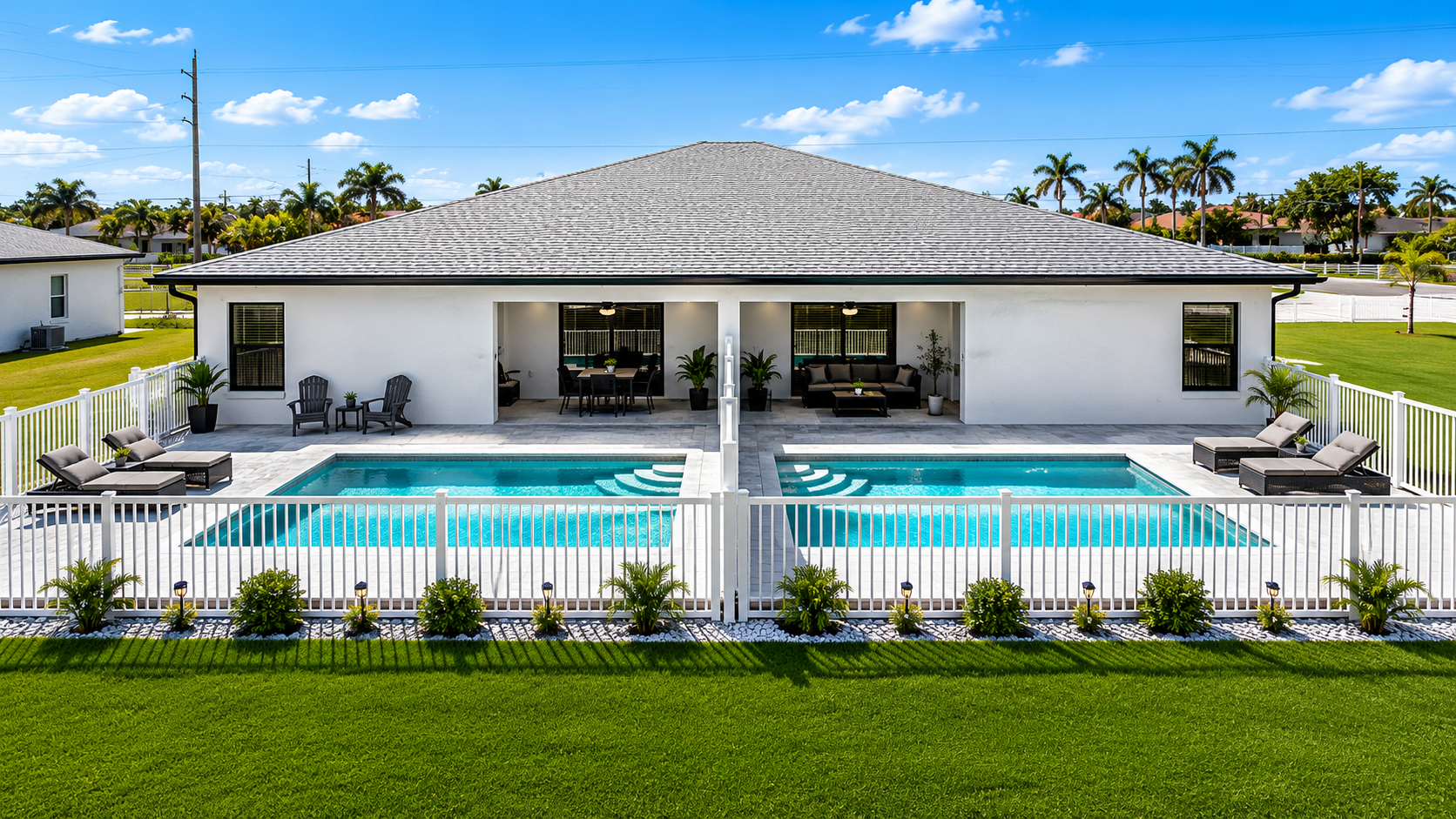
A lot of multigen buyers aren’t retirees at all — they’re adults in the thick of full lives. Someone might be dating, someone might host friends most weekends, someone might just value being able to come and go without an audience. That’s hard to manage when everyone shares one footprint. A duplex hands each household its own front door, its own driveway, and its own walls. Both sides get to live like the adults they are, without constantly working around the other. When that’s the situation, separation isn’t a nice-to-have — it’s the thing that keeps the arrangement from slowly wearing everyone down.
Both households genuinely need a full kitchen
Some families can share a kitchen and be perfectly happy. Others truly can’t, and it usually has nothing to do with logistics. Take Nicki’s side: her grandmother was an Italian baker who cooked for a crowd and had friends over nearly every weekend. The kitchen was the center of how she lived. Folding her into an in-law suite, or asking her and her daughter to share one stove, would have meant somebody giving up something central to who they were. For families like that, two real kitchens isn’t a luxury. It’s the entire point.
Pets are in the picture
Pets decide this more often than people would ever guess. One household has a dog or a couple of cats; the other is allergic, or just doesn’t want animals underfoot. Inside an in-law suite there’s no clean solution — pets ignore interior doors, and dander travels right through a shared HVAC system. In a duplex, the whole issue disappears. Each side has its own air handling, its own floors, and its own house rules. One household can adore its animals while the other keeps its distance, and both sides get to be honest about what they actually want.
When a duplex is the wrong call
A duplex isn’t right for everyone. If a parent needs hands-on daily care, if mobility is becoming a concern, or if dementia is part of the picture, too much separation can tip into isolation fast. In those situations, an in-law suite inside the main home is almost always the safer — and kinder — answer. But when everyone in the family is independent, when the finances need a clean line, or when you want options for what the property could become a decade or two from now, a duplex deserves a real look.
Where we fit into this decision
Most agents close transactions. We help families plan multigenerational futures — which means the goal isn’t just the right house today, but the right setup for how everyone wants to live for years to come.
If you’re weighing a duplex against a suite or an ADU: we’ll walk through your family’s situation honestly and tell you which configuration actually fits — even when it isn’t the one you came in expecting.
If you’ve found a duplex you’re considering: we help you evaluate the financing split, the zoning, and the long-term resale picture before you commit.
Choosing the setup that actually fits your family
There’s no single right configuration for multigenerational living — there’s only the one that fits how your particular family wants to live. An in-law suite, an ADU, and a duplex each solve a different version of the problem. The mistake is reaching for the one that sounds familiar instead of the one that matches your situation.
If full independence, clean finances, and long-term flexibility are what your family needs, don’t let the duplex stay off the table.
Common questions
Frequently asked questions
What is the difference between a duplex, an in-law suite, and an ADU?
When is a duplex better than an in-law suite or ADU?
When should a family choose an in-law suite instead of a duplex?
Can a family share the cost of a duplex while living independently?
Thinking about a multigenerational setup for your adult children or your parents? Let’s talk through what’s actually possible in Florida.