

Found a Florida Home With an ADU on Zillow? What to Do Next
Quick answer: Zillow shows you the listing, but not whether the ADU is permitted by the county, whether the HOA allows it, whether your lender will count it, whether the appraiser will value it, or whether you can insure it. Before making an offer on a Florida home with an ADU, verify county permit records, zoning, HOA covenants, lender treatment of the unit, and insurance feasibility — then tour the property for kitchen quality, entrance separation, and utility configuration.
You found a great-looking Florida home with an ADU on Zillow. The listing looks promising. Here’s what a specialist looks at next — and why it makes the difference between a great purchase and a great surprise.
Zillow is a remarkable tool. We use it ourselves, and some of our clients find properties through Zillow before reaching out to us. The platform’s data, photos, and search filters have transformed how families shop for homes.
But Zillow shows you the listing. It doesn’t show you everything that matters when the home has an existing ADU.
The square footage, the price, the photos, the listing remarks — Zillow handles all of that beautifully. What it doesn’t tell you is whether the ADU is recognized by the county, whether the HOA permits secondary residences, whether your lender will count it, whether the appraiser will value it, or whether your insurance carrier will write a policy that covers it.
For a standard single-family home, none of that matters much. For a home with an ADU, all of it matters — and it’s the difference between a confident purchase and a confusing closing.
This is what a multigenerational specialist actually does for you when you find a property that looks promising.
The listing is the beginning of the conversation, not the end. A great-looking property is worth the second look — and the second look is where a specialist earns their seat at the table.
What you can learn from the listing itself
Modern listings are genuinely informative. Here’s what you can usually figure out just by reading them carefully:
Approximate size and configuration. Square footage, bedroom and bathroom count, lot size, year built. The basics are right there.
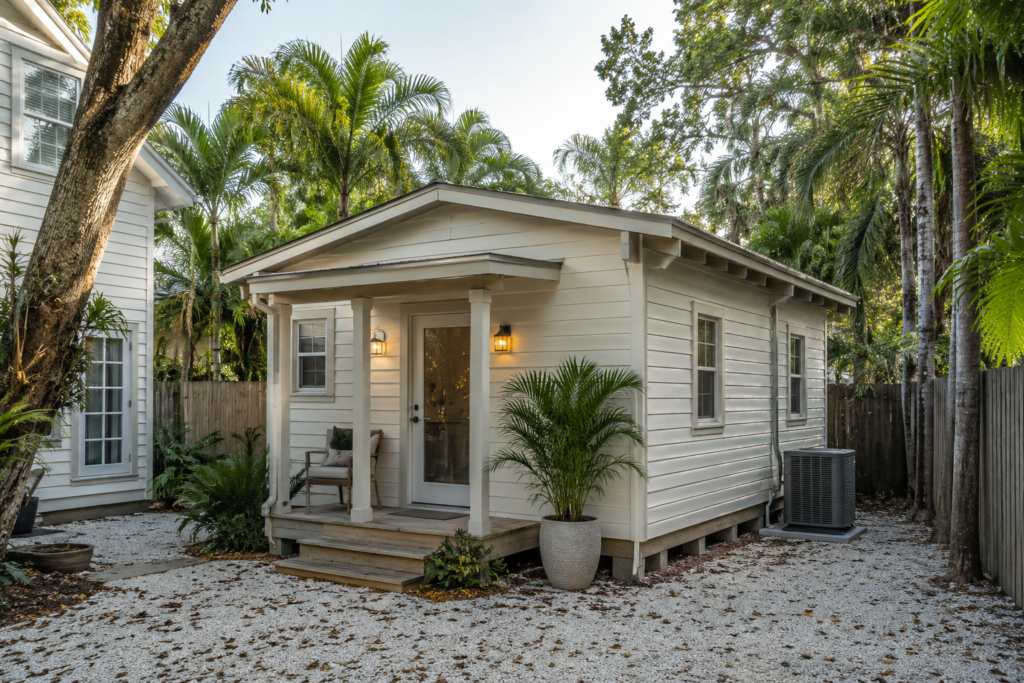
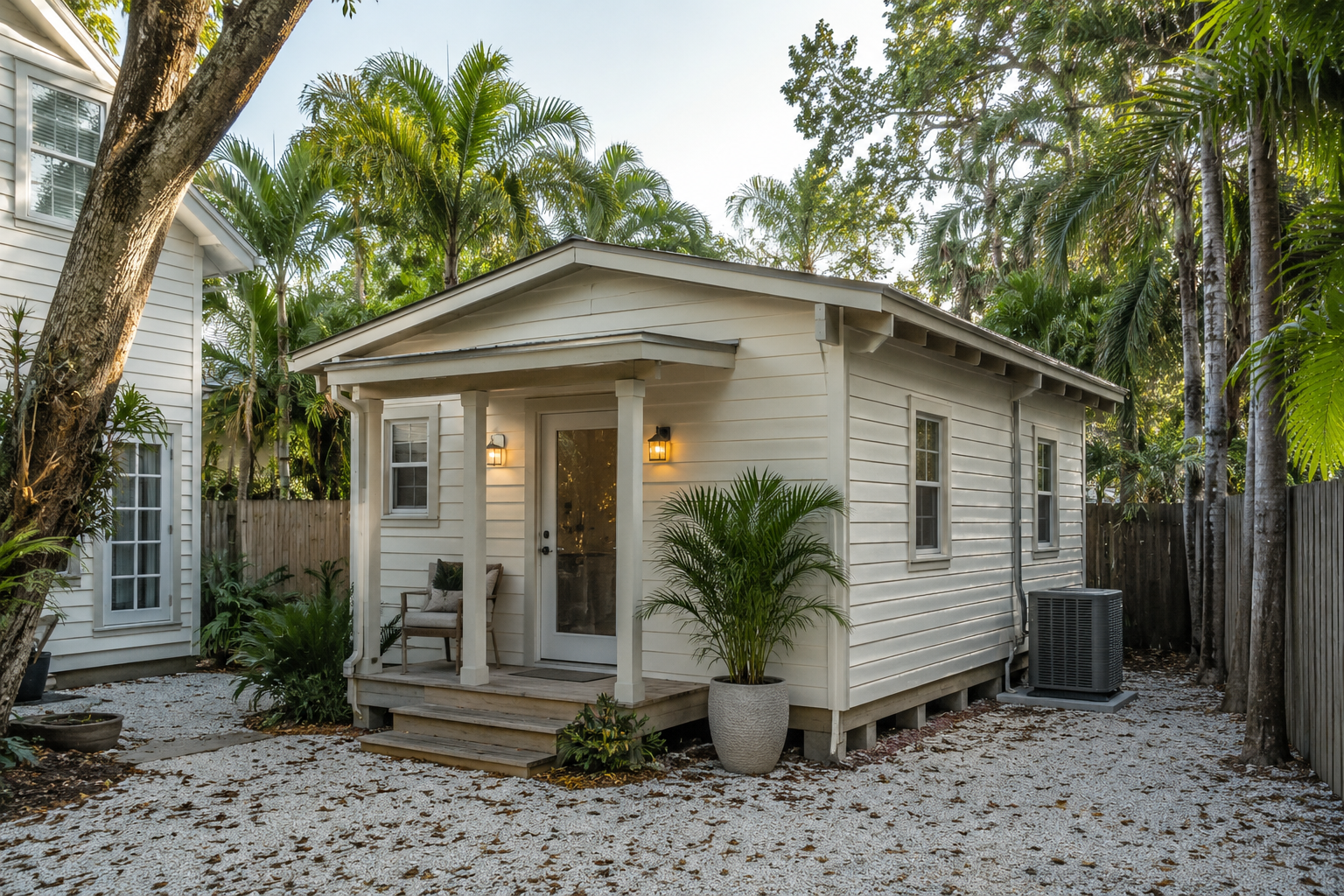
Whether there’s a secondary structure. Listing photos almost always show the detached cottage, casita, or guest house if it exists. The aerial view in particular reveals the property’s layout.
Price range and time on market. How the property is positioned, whether the price has dropped, how long it’s been listed.
Listing remarks and descriptions. The seller’s agent has done their best to describe what makes the property special. Look for words like “in-law suite,” “guest house,” “casita,” “ADU,” “second residence,” “separate living quarters.”
Neighborhood and general location. Zillow’s map view, walkability scores, school ratings, and nearby amenities give you a sense of place.
All of this is useful and accurate. It’s enough to decide whether a property is worth a closer look. It’s not enough to decide whether to make an offer.
What the listing doesn’t (and can’t) tell you
Listing remarks aren’t designed to give you the full picture. They’re designed to generate interest. The seller’s agent isn’t going to volunteer every administrative detail about the ADU — partly because they may not know it themselves, and partly because their job is to attract buyers, not to overwhelm them.
Here’s what doesn’t typically appear in a listing, but matters significantly when an ADU is part of the picture:
The county’s record of the secondary structure. Is the ADU recognized in building department/property appraiser records? Most Florida ADUs are, but not all of them. The listing won’t tell you.
Whether the HOA permits what’s already there. If the property is in a deed-restricted community, the HOA’s rules about accessory structures, rentals, and secondary residences shape what you can actually do with the property. Listings rarely include HOA covenant details.
How your lender will treat the ADU. Whether the unit will count toward the property’s appraised value, whether you can use rental income to qualify for the mortgage, whether the loan type you’ve chosen even works for ADU-equipped properties.
Whether the insurance market will write you a policy. Florida’s insurance environment has tightened in recent years. Some carriers handle multi-structure properties differently than standard single-family homes.
The utility configuration. Whether the ADU has its own HVAC, electrical sub-panel, water heater. Whether systems are shared with the main house. This affects daily living comfort and long-term maintenance costs.
Whether the kitchen is what it appears to be. A “full kitchen” in listing language means different things to different agents. The lender’s appraiser will have a specific definition; the listing remarks won’t.
What we actually do when you send us a property
When a client sends us a Zillow link to a Florida home with an ADU, here’s the process we work through before recommending whether to pursue the property:
Pull county records
Look up the property in the county building department’s database. Identify any permits on file for the secondary structure. Note when it was built, what classification it falls under, and any inspection history.
Review zoning
Confirm the property’s zoning classification supports multiple residential structures, and identify what’s permitted versus prohibited under current local rules.
Request HOA documents
If the property is in a deed-restricted community, request the HOA’s covenants and rules in writing. Identify whether the existing ADU configuration is permitted and whether you’ll be allowed to use it the way you want.
Coordinate with your lender
Help you have a specific conversation with your loan officer about the property — including how the ADU affects your loan, whether rental income can be counted, and how the appraisal is likely to land.
Verify insurance feasibility
Connect you with insurance professionals who can confirm whether a carrier will write the policy you need on this specific property, especially if you plan to use the ADU as a rental or for multi-generation occupancy.
Walk the property thoroughly
Tour the home with the questions that matter — kitchen quality, entrance separation, sound insulation, utility configuration, outdoor privacy between structures. The details that affect daily life and long-term value.
This process takes a few days, not a few hours. It’s also genuinely fun work for us — every ADU property has its own story, and figuring out the right one for each family is what we do every day.
Why this depth of work is worth it
Buying a home with an ADU is one of the smartest real estate decisions a family can make. The unit is already built. The construction risk is past. You get instant flexibility — for aging parents, adult children, guests, rental income, or simply the option to use the space however your family’s needs evolve.
That value is real, and we believe in it deeply. We help families find these properties every week.
The reason we do the work above isn’t to talk you out of properties. It’s to make sure the one you choose is the right one. A great property paired with confidence about every detail is a much better purchase than a great property paired with surprises after closing.
For most of our clients, the value of working with a specialist isn’t that we point out problems. It’s that we help them move forward without hesitation on the properties that genuinely fit — because we’ve already answered the questions that would otherwise create doubt.
What makes the process easier
A few things you can do that make the specialist process faster and more productive:
Send us the specific properties. If you’ve already found a few Zillow listings you like, share the links. We can pull records, review HOA documents, and give you our read on each property before you ever set foot inside.
Tell us what you’re trying to accomplish. Aging parents moving in is a different search than adult child rental income, which is a different search again from family compound or future-flexibility. The configuration that fits depends on the goal.
Get pre-approved early. Talking to a lender who understands ADU-equipped properties before you start touring saves time. We can recommend Florida loan officers we’ve worked with successfully.
Be open to properties you haven’t found yet. Some of the best ADU homes don’t surface easily in Zillow searches because they’re labeled as “estate property,” “in-law potential,” or “ranch with guest cottage.” We watch for these listings actively.
Florida homes with existing ADUs — refreshed weekly
If you’re starting your search and want a focused list to work from, we maintain a current list of Florida resale homes with secondary living quarters, full kitchens, and pricing under $1 million. We refresh it weekly across the regions we serve.
It’s a starting point, not a finish line. When a property catches your eye, that’s when we go deeper together — pulling records, reviewing HOA rules, and coordinating with your lender and insurance team.
See the current Florida ADU resale list →
Updated weekly. Free access. No pressure.
Why a specialist makes the difference
A standard real estate agent has likely closed a handful of transactions involving ADUs — typically as a feature of a property, not the central reason for the purchase. We work in this category exclusively. The difference shows up in the questions we ask, the records we know to pull, and the depth of confidence we can give you about each property.
We pull county records routinely. Permit history, zoning classification, prior inspections. The information that affects whether a property is what it appears to be.
We coordinate the lender and insurance conversations early. So the answers come back before you commit, not after.
We tour properties with informed eyes. Notice things experienced agents in this niche notice. Help you see what to look for, and what doesn’t matter.
The right ADU home is a wonderful family decision. We help you find it — and feel confident about every detail when you do.
Common questions
Frequently asked questions
What should I check after finding a Florida home with an ADU on Zillow?
Does a Zillow listing tell me if an ADU is permitted?
Can I count an ADU’s rental income to qualify for the mortgage?
Why use a multigenerational specialist instead of a regular agent?
Found a Florida home with an ADU you’re interested in? Send us the link and we’ll work through the details together.